Surety Bonds in Alabama: What Contractors Need to Know Guide
Surety bonds in Alabama: what they are and why they matter
If you are a contractor, business owner, or anyone required to hold a license in Alabama, you have probably run into the term surety bonds . They come up on license applications, government contracts, and construction bids. Yet most people who need one are not entirely sure what a surety bond actually does, how it differs from insurance, or what getting bonded will cost them here in Alabama. This post breaks all of that down in plain language.
How surety bonds work
A surety bond is a three-party agreement, and that is what sets it apart from a traditional two-party insurance policy. The three parties are:
- The principal : the contractor or business owner who purchases the bond and must fulfill a legal or contractual obligation.
- The obligee : the party (usually a government agency, project owner, or client) that requires the bond as a guarantee the obligation will be met.
- The surety : the insurance or bonding company that backs the guarantee.
Here is how it plays out in practice. Say a general contractor in Montgomery wins a public works project. The City requires a performance bond before work begins. If the contractor fails to complete the project as agreed, the City files a claim against the bond. The surety pays the claim up to the bond amount, and the contractor is then legally obligated to repay the surety. That last part matters: unlike a standard insurance claim, you are expected to reimburse a surety bond claim. The bond is a credit instrument as much as it is a guarantee.
Types of surety bonds commonly required in Alabama
Alabama requires surety bonds across a wide range of industries and situations. The specific bond you need depends on your license type, the project you are pursuing, or the contract you are signing. Below are the categories you will encounter most often.
License and permit bonds
Many Alabama state agencies and local governments require a bond as a condition of holding a business license or professional permit. Common examples include:
- Alabama Home Builders Licensure Board bond : required for residential contractors; the bond amount is typically $10,000 to $25,000 depending on license classification.
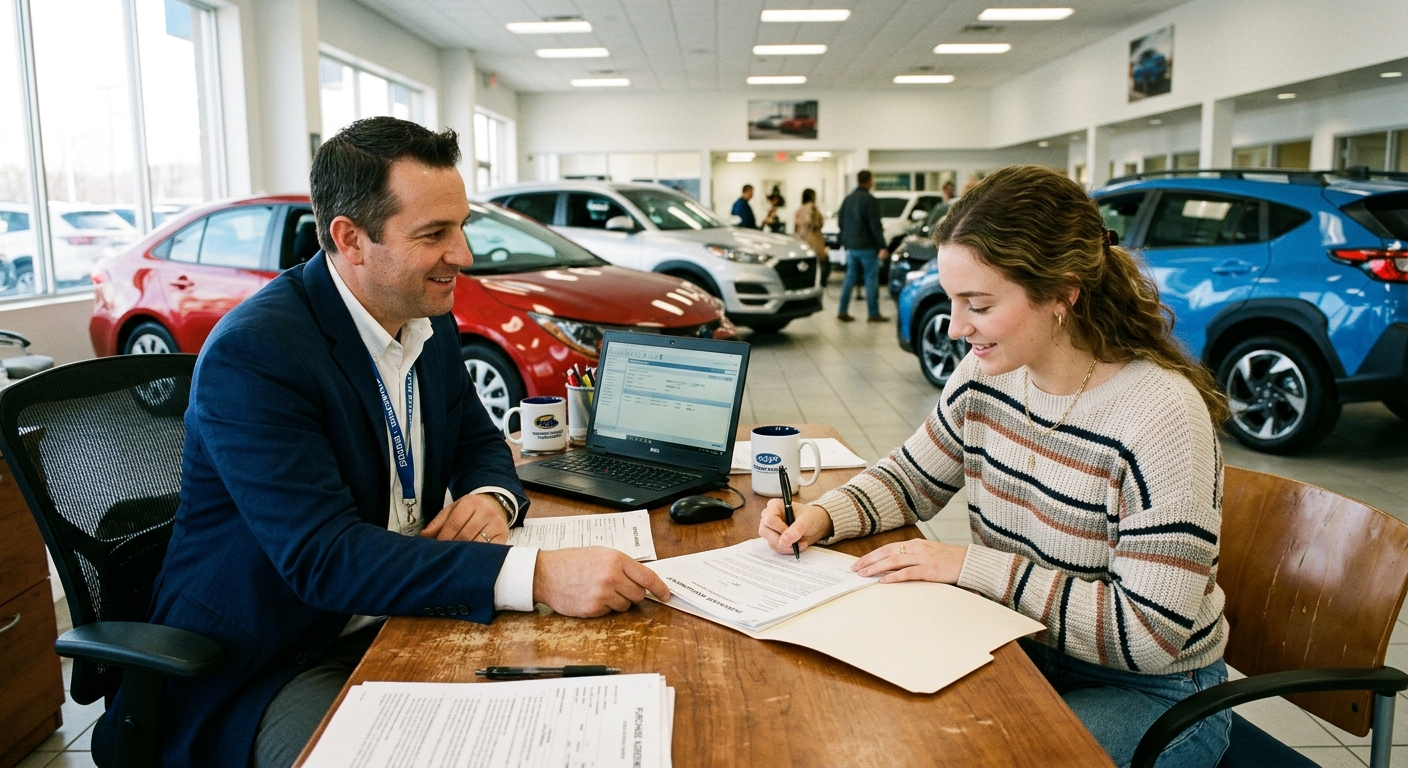
- Motor vehicle dealer bond : the Alabama Securities Commission and ALEA require auto dealers to carry a bond, usually set at $25,000 .
- Mortgage broker and lender bonds : required by the Alabama State Banking Department; amounts vary based on loan volume.
- Public adjuster bonds : if you are a licensed public adjuster in Alabama, the Department of Insurance requires a bond before you can practice.
Contract bonds (construction)
Contract bonds are the foundation of construction bonding. If your company bids on public construction projects in Alabama, you will deal with all three of these:
- Bid bond : guarantees that if you win the bid, you will enter into the contract at the price you quoted. It protects the project owner from a contractor who backs out after winning.
- Performance bond : guarantees you will complete the project according to contract specifications. For Alabama public projects over $50,000 , performance bonds are required under the Alabama Competitive Bid Law (Code of Alabama, Section 39-1-1 et seq.).
- Payment bond : guarantees that subcontractors, laborers, and material suppliers will be paid. Also required on Alabama public projects over $50,000 .
Private projects can require contract bonds too, particularly when a lender or large commercial developer is involved. If you are working in and around Montgomery, Prattville, or on any of the ongoing development projects along the I-65 corridor, a bond requirement will likely show up somewhere in your contract documents.
Court bonds and fiduciary bonds
Courts in Alabama sometimes require bonds in legal proceedings. An executor of an estate, a guardian, or a trustee may need a fiduciary bond to assure the court that assets will be properly managed. These are less common for contractors but worth knowing if you find yourself managing an estate or serving in a legal fiduciary role.
Miscellaneous surety bonds
A handful of other bonds come up regularly for Alabama businesses, including notary bonds (Alabama requires notaries to carry a $25,000 bond), utility deposit bonds, and tax bonds for fuel distributors. If you have been told you need a bond and none of the categories above match, an independent agent can research the specific requirement and connect you with the right product.
Surety bonds vs. general liability insurance
This is one of the most common points of confusion. Contractors often hear that they need to be "licensed, bonded, and insured," which implies these are three separate things. They are. A surety bond protects the project owner or obligee . General liability insurance protects your own business against third-party claims for bodily injury or property damage. The two work side by side but cover very different risks.
Consider the distinction this way: if a subcontractor falls through a floor on your job site and sues your company, that is a general liability claim. If you abandon a project halfway through and the City files a claim to recover costs, that is a surety bond claim. You need both. Many Alabama contractors pursuing public work or larger commercial projects also carry builders risk coverage to protect the structure itself while it is under construction. Our post on general liability insurance for Alabama contractors goes deeper on that piece of your coverage program.
What does a surety bond cost in Alabama?
Bond premiums are calculated as a percentage of the total bond amount (called the "penal sum"). For most license and permit bonds, that rate runs between 1% and 3% of the bond amount for applicants with good credit. For contract bonds on large construction projects, the rate is typically 0.5% to 2% of the contract value, though it can go higher for less-established contractors or those with credit challenges.
Some practical examples of what you might actually pay:
- $25,000 notary bond : premium is often as low as $50 to $75 per year .
- $10,000 home builder license bond : expect roughly $100 to $200 per year with solid credit.
- $500,000 performance bond on a public project : premium could range from $2,500 to $10,000 depending on your financials and the surety's underwriting.
Underwriters look at your personal and business credit scores, financial statements, years of experience, and track record on past projects. A newer contractor with a thin credit file will typically pay a higher rate than an established firm with strong financials. That is why working with an agent who has relationships with multiple surety markets tends to produce better results than going to a single-carrier direct writer.
How to get a surety bond in Alabama
The process is more straightforward than many contractors expect, particularly for smaller license bonds. Here is a general roadmap:
- Identify the exact bond requirement. Get the bond form or language directly from the obligee (the licensing board, city, or project owner). The specific wording matters and the surety will need it.
- Gather your financial information. For smaller bonds under $25,000 , a credit check is often all that is needed. Larger contract bonds may require two to three years of business financial statements and a personal financial statement.
- Work with a licensed bond agent. An independent insurance agent who handles commercial lines can submit your application to multiple surety companies and find the best rate and terms. This is especially useful for contractors with complicated credit histories or new businesses without a long track record.
- Sign the indemnity agreement. Before the surety issues the bond, you will sign an indemnity agreement acknowledging that you are personally liable for any claims paid. Do not take this lightly.
- Receive and file the bond. The surety issues the bond document, and you file it with the obligee (or the agent files it on your behalf). Most bonds renew annually.
One practical note: if you are pursuing a large public contract in Alabama and need a contract bond for the first time, start the bonding process early. Some surety underwriters take two to four weeks to review larger accounts, and a bond delay can cost you a contract award. Building a relationship with a surety-friendly agent before you need a large bond is one of the smartest moves a growing contractor can make.
Alabama-specific rules and considerations
Alabama has a few state-specific elements worth knowing:
- The Alabama Competitive Bid Law : for public construction projects over $50,000 , both a performance bond and a payment bond equal to 100% of the contract price are required. This applies to state agencies, counties, municipalities, and most public bodies.
- Home Builders Licensure Board : all general contractors performing residential work over $10,000 must be licensed by the HBLB, and that license requires a bond. Unlicensed contractors working above that threshold are in violation of state law.
- Alabama Subcontractors Act : subcontractors on public jobs can file a claim against a payment bond if they are not paid. This matters both if you are a sub trying to get paid and if you are a GC managing bond exposure on your project.
- Continuous vs. term bonds : most license bonds in Alabama are continuous (they renew annually until cancelled), while contract bonds are issued for a specific project with a defined start and end. Make sure you understand which type you are purchasing.
If your business operates across multiple Alabama cities, including Montgomery, Prattville, Millbrook, or Wetumpka, you may encounter different local bonding requirements in addition to state-level ones. Some municipalities require their own bond forms rather than accepting a generic bond. Your agent should pull the exact requirements for each jurisdiction before you apply.
Common mistakes to avoid when getting bonded
The bonding process is not complicated, but there are a few spots where contractors and business owners regularly run into trouble:
- Using the wrong bond form : not all surety bonds are interchangeable. Filing a generic bond when the obligee requires a specific state-approved form can get your application rejected and delay your license.
- Underestimating the indemnity obligation : signing an indemnity agreement means your personal assets are on the line if a claim is paid. Understand what you are signing before you sign it.
- Letting a bond lapse : if your license bond expires and you keep working, you are operating without the required bond. In Alabama, this can result in license suspension and fines.
- Not budgeting for increasing bond amounts : as your business grows and you take on larger contracts, your required bond amounts may increase. Factor that into your annual overhead planning.
For a broader look at coverage gaps that trip up Alabama businesses, our post on business insurance mistakes to avoid covers several scenarios that apply directly to contractors and small business owners in this state.
Work with Belcher Agency for your Alabama surety bond needs
At Belcher Agency , we are an independent insurance agency based in Alabama, which means we work with multiple surety and insurance carriers rather than being limited to one company's products. For surety bonds, that matters because different sureties have different appetites for different contractor profiles. A first-year contractor, an established general contracting firm, and a specialty trade each tell a different underwriting story, and we match those stories to the right market.
Whether you need a small notary bond, a license bond for the Alabama Home Builders Licensure Board, or a full contract bond package for a large public project, we can help you get it done efficiently. We also handle the broader commercial insurance picture, including general liability, builders risk, workers compensation, and commercial auto, so you can manage your entire coverage program in one place. You can learn more about the full range of surety bond options we offer or explore our commercial insurance page to see how everything fits together.
Ready to get bonded or just have a question about what your specific project or license requires? Call us at (334) 262-2984 or reach out through our contact page and a member of our team will walk you through exactly what you need.
Get A Quote
At Belcher Agency, securing your future is easy. Ready to protect what matters? Contact us for a quick quote and personalized insurance options!
Meet, Kelly
Your 24/7 Insurance Assistant • English & Spanish
Start your custom insurance quote
Instant answers to your insurance questions
Schedule appointments or follow-ups
Personal Insurance
From auto and homeowners to renters and umbrella policies, we help protect your family and property. Let’s find coverage that fits your life.
Commercial Insurance
We customize policies for your industry's risks, like general liability and workers' comp, ensuring you can run your business worry-free.
Contact Belcher Agency
Recent Posts